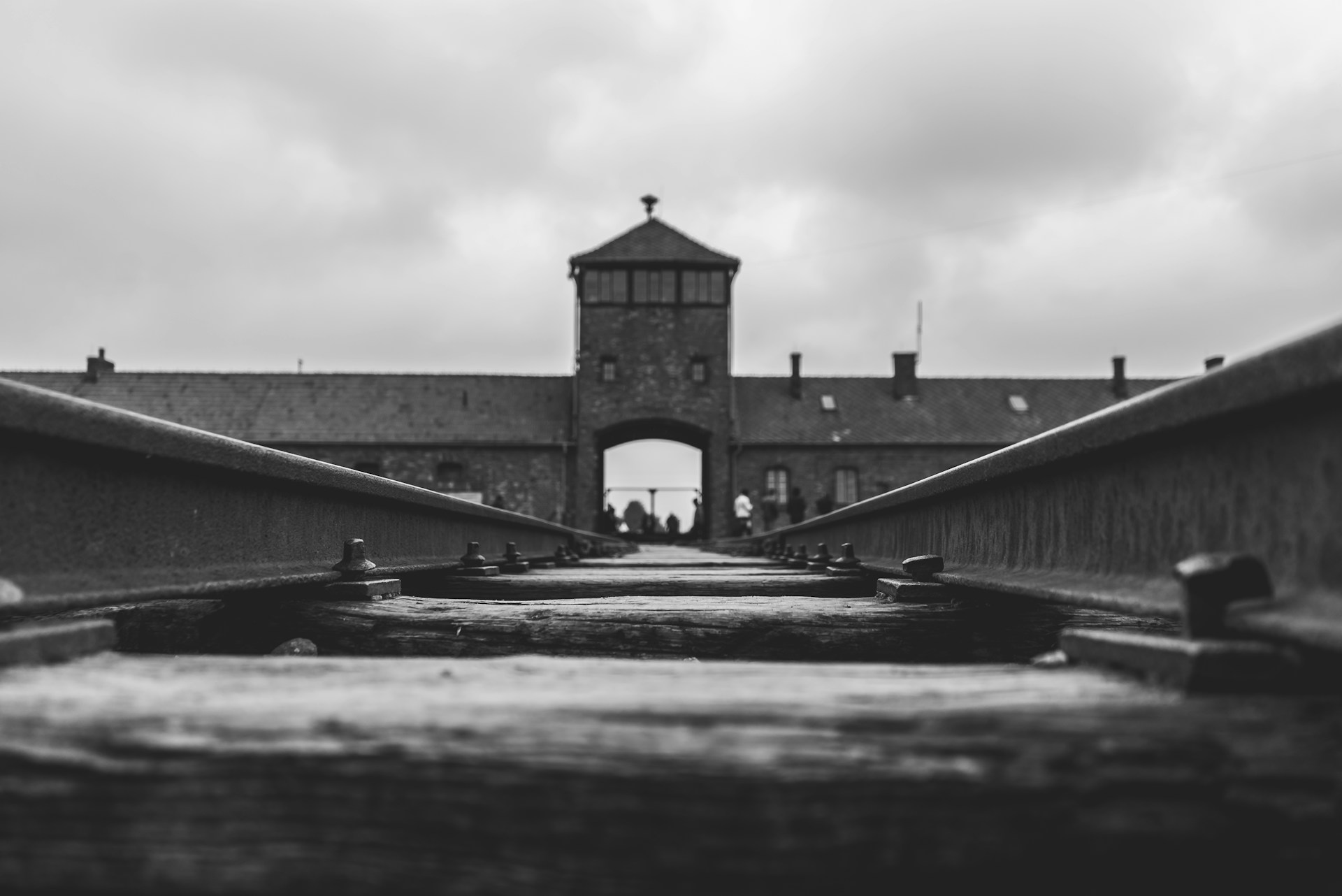
A visit to Auschwitz is physically demanding and emotionally draining. It requires
careful logistical planning, especially regarding transport from major Polish cities and
securing entry. This section outlines the critical steps to ensure your pilgrimage to
this memorial is properly managed.
1. Choosing Your Tour Type
There are two primary ways to experience the memorial. Your choice depends on the depth
of historical insight you seek and your available time.
-
General Guided Tour (3.5
Hours)
The most common option. It includes a headset system and an
educator who guides you through key blocks in Auschwitz I and the vast expanse
of Birkenau. This provides a comprehensive overview suitable for most
visitors.
-
Study Tour (6 Hours)
Recommended for history enthusiasts and those wishing to pay
deeper respects. This extended tour allows access to blocks and areas of the
camp usually closed to the general tours, offering a much more profound
understanding of the machinery of genocide.
2. Arrival and Security
The main entrance is located at the Auschwitz I site (Więźniów Oświęcimia 20). If you
are arriving by car, there is a paid parking lot adjacent to the entrance. If booking a
tour via our recommended
partners, transportation from Krakow is often included, dropping you directly at
the gate.
Security is airport-style. You will pass through metal detectors. Arrive at least
30 minutes before your scheduled entry time. Late arrivals are strictly
not permitted to join groups once they have departed.
3. The Visiting Route
Auschwitz I: You will walk through the gate bearing the cynical slogan
"Arbeit Macht Frei." Here, you enter brick barracks housing exhibits of evidence: piles
of shoes, human hair, suitcases, and prosthetics looted from victims. You will also see
Block 11 (the Death Block) and the execution wall.
Auschwitz II-Birkenau: After the first part, you take a shuttle to
Birkenau (3km away). This site is vast. You will see the unloading ramp (Judenrampe)
where selections took place, the ruins of the gas chambers and crematoria destroyed by
the Nazis in an attempt to hide their crimes, and the Pond of Ashes.
"It is in Birkenau where the scale of the industrial murder becomes comprehensible. The
sheer distance from the entrance gate to the ruins of Gas Chamber V is a physical
testament to the magnitude of the crime."
4. Code of Conduct
This is a memorial site. Visitors are expected to behave with solemnity.
- Dress modestly (shoulders and knees should ideally be covered as a sign of respect).
- Photography is allowed in most areas for personal use (no flash, no tripods), but is
strictly forbidden in the Room of Hair and the basements of Block 11.
- Eating, smoking, and phone calls are prohibited inside the visiting blocks and near
the memorial sites.
Further Reading
For detailed history regarding the camp's establishment, please refer to
our dedicated history page.
Read
History of Auschwitz →
 EN
EN
 FR
FR
 DE
DE
 ES
ES
 IT
IT
 PL
PL